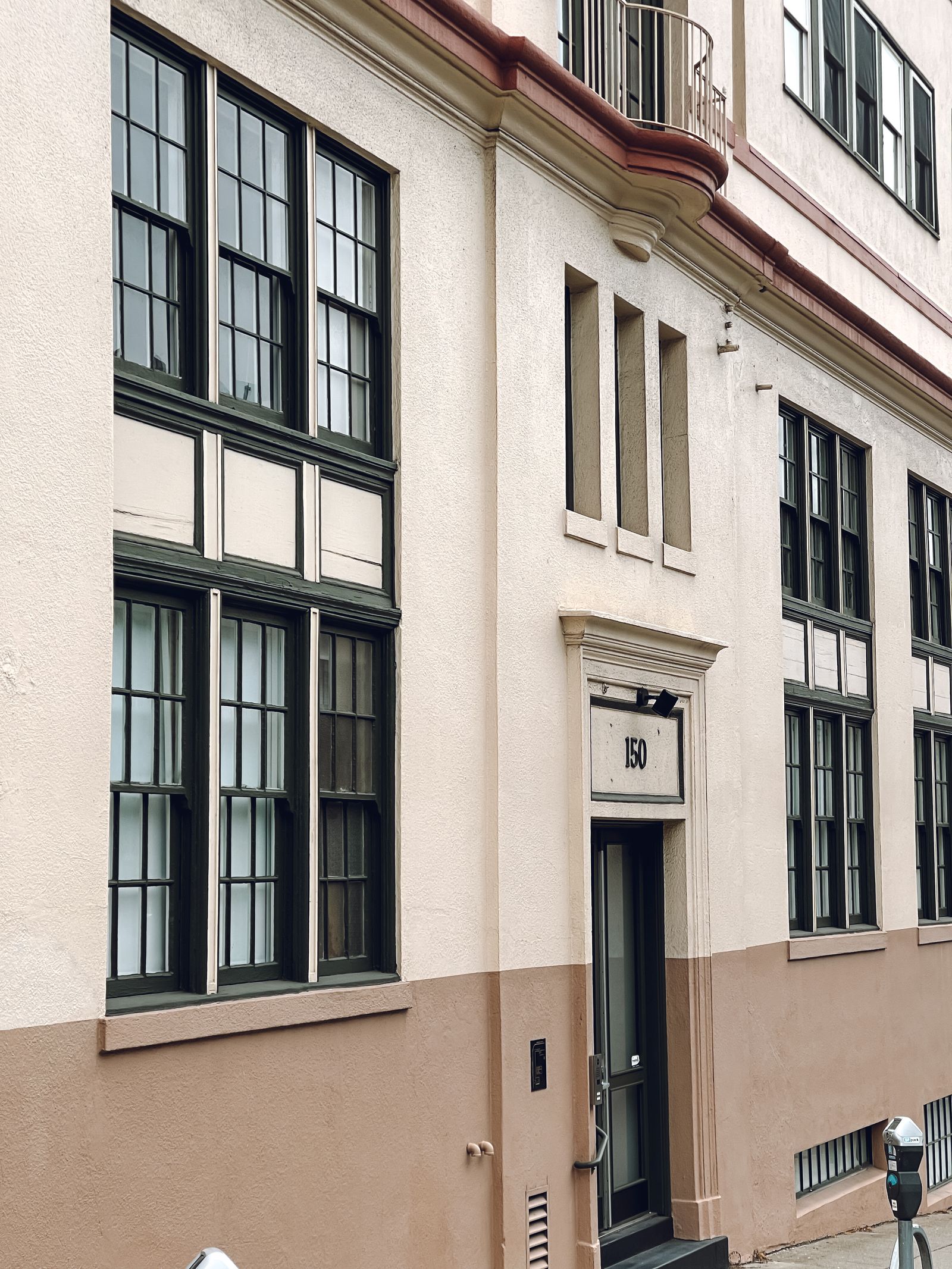
Pressure is a tool, not a finish standard
Pressure washing uses mechanical force to move soil from a surface. That can be appropriate for selected concrete, some hardscape, certain durable masonry conditions, parking structures, and other compatible areas when the operator controls distance, angle, nozzle, flow, temperature, and runoff. Higher pressure can also drive water into joints, remove a coating, expose aggregate, scar soft masonry, damage EIFS, or push moisture behind a detail. A visually clean wall is not a successful result if the mortar, sealant, paint, glazing, or adjacent landscaping has been harmed.
In Omaha, the right pressure can vary across one property. A loading dock may tolerate a different process than a limestone entry. A garage ramp may need a different plan than the brick face of a hotel. A concrete service yard near a truck route is not the same as a historic Old Market elevation or a healthcare entrance where public exposure and water control are critical. A quote should identify which surfaces can accept controlled pressure and where a lower-force process, hand detail, pole, lift, or hybrid approach is safer.
Soft washing fits some stains and materials better
Soft washing generally relies on cleaning chemistry, dwell time, low mechanical force, and a controlled rinse to address compatible organic growth, mildew, algae, pollen, bird residue, and atmospheric film. It can be useful on selected brick, coated surfaces, stucco, EIFS, canopies, roofline details, and upper facade areas when the material, product, weather, and water path are reviewed. Lower force does not mean no risk. Products can affect vegetation, metals, painted finishes, sealants, air intakes, guests, and nearby vehicles if the work is not isolated and controlled.
Soft washing is also not a promise that every dark or discolored mark will disappear. Omaha's winter residue may include salt and grit. A river or industrial corridor may add dust, soot, and traffic film. Irrigation, roof drainage, or failed joints may keep creating a streak after the facade is cleaned. Mineral scale, oxidation, graffiti, oil, paint, efflorescence, and construction residue may require specialty treatment or contact work. The decision should start with what the deposit is and how the owner will judge the result, not only with a label for the equipment.
- Organic growth and pollen may be compatible with a carefully controlled soft-wash plan.
- Salt, minerals, oxidation, oil, paint, and construction residue may require a different scope.
- A low-force method still needs product, runoff, vegetation, air-intake, and public-area controls.
- Test areas and dry-down help set expectations before a large facade is scheduled.
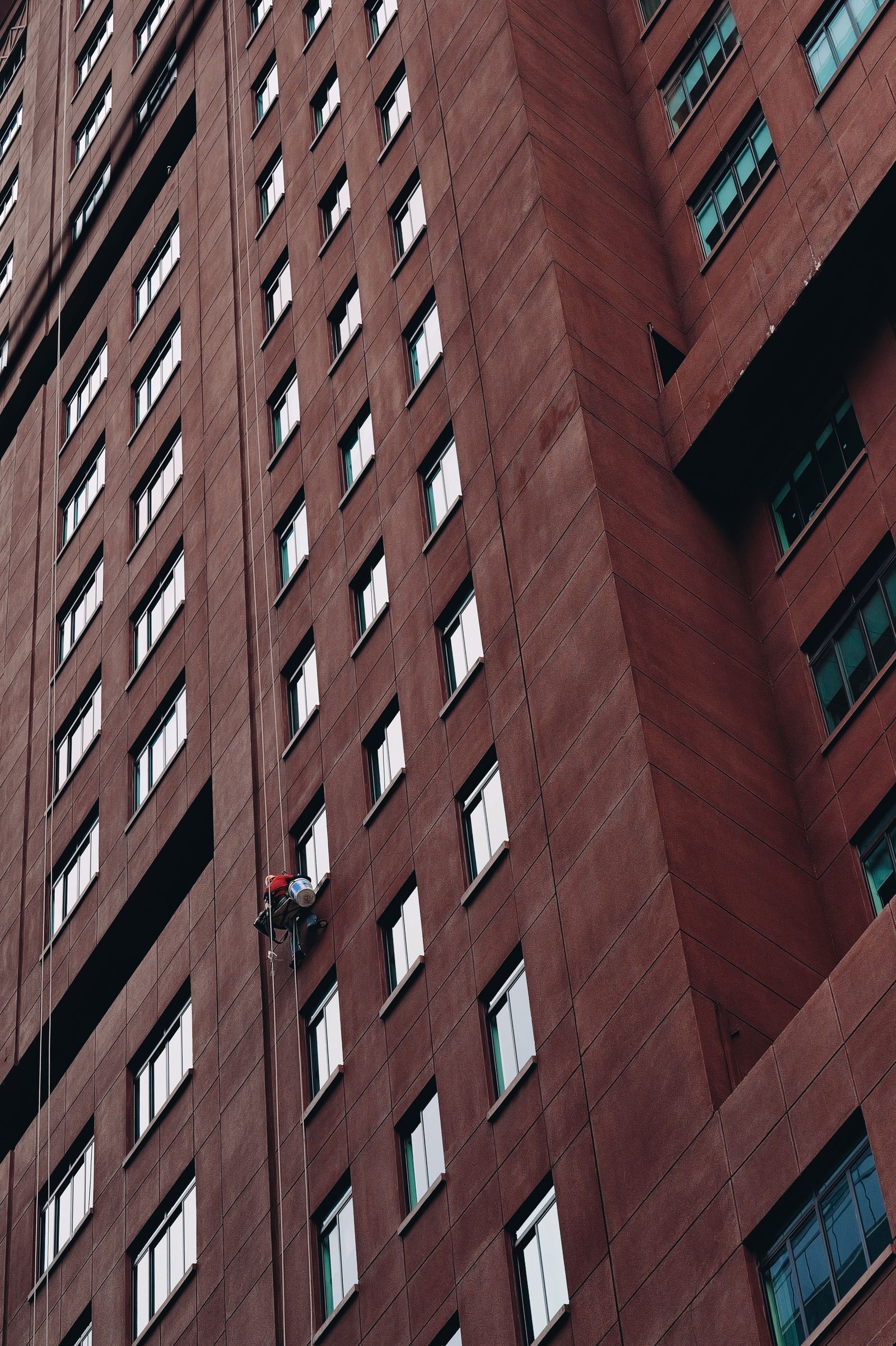
Compare the method with Omaha property operations
A method that works on an empty warehouse may be a poor fit for an Old Market restaurant, a Midtown office, a hotel in the Capitol District, or a medical building near UNMC and Nebraska Medicine. Ask how the crew will protect accessible routes, guest and patient movement, air intakes, doors, cameras, signs, vehicles, patios, landscaping, and emergency access. Ask when the work zone will be active, who controls deliveries, what happens if someone enters the area, and how the site will be returned to service.
Location changes the scheduling problem. Downtown and Old Market properties may have tight sidewalks and event traffic. Aksarben Village and Midtown Crossing may have tenants, retail, dining, and landscaping close to the facade. West Omaha offices and healthcare campuses may provide more setback but still need parking, shuttle, and patient-route planning. North Omaha, airport, rail, and Missouri River industrial properties may add gates, trucks, dust, security, and receiving windows. A quote that describes only the washing method is incomplete if it does not describe how the business continues operating.
Make Omaha weather and drainage part of the method decision
Severe weather, summer heat, wind, hail, rain, snow, ice, and freeze-thaw cycles affect both method and timing. Heat can change dwell time and dry a product before a controlled rinse. Wind can carry spray, move hoses, affect an aerial platform, and increase public exposure. Lightning and hail require a pause. Snow and ice can make an entry or ramp unsafe even when the wall itself is ready. Freeze-thaw may reveal cracks, loose material, failed joints, or damaged coatings that should be documented before work.
Drainage should be reviewed before choosing products, flow, and rinse volume. An Omaha site may shed water toward a curb inlet, landscaped bed, parking structure, Papillion Creek watershed, combined sewer area, or the Missouri River corridor. A storm drain is not automatically an approved discharge point. The property and contractor should understand the products used, the expected water path, protection or collection controls, and the response if flow changes. A responsible plan includes pause triggers for unexpected runoff, unsafe surfaces, weather, or a public route that cannot stay clear.
Treat drone assistance as an access decision
Drone assistance may reduce repeated lift repositioning on suitable upper walls, but it does not turn every building into an aerial-cleaning project. The site needs adequate separation from people and structures, manageable wind, visual line of sight, launch and recovery space, predictable hose behavior, ground controls, and an operator who can stop the work when conditions change. Downtown utilities, balconies, trees, rooftop equipment, bridges, nearby air traffic, and a public sidewalk can make a conventional pole, lift, roof-access, hand-detail, or hybrid scope more practical.
Commercial drone work must follow FAA requirements and any required airspace authorization. A property manager should ask which elevations are expected to use drone support, what conditions make that support unavailable, and which portions still require contact access. Squeegee-finish glass, scraping, mineral removal, recessed details, sealant concerns, and repairs are not solved by an aerial delivery tool. The best proposal explains the access plan in plain language and keeps the promised result tied to the building rather than the novelty of the equipment.
Use a quote checklist before approving either approach
Ask the contractor to identify each material and elevation, the visible condition, the proposed method, the expected result, the test-area process, the access method, and the exclusions. The scope should say whether it includes glass, frames, signs, canopies, rooflines, lower walls, hardscape, garage entries, salt residue, mineral deposits, or only broad facade washing. It should also identify repairs, restoration, coating failure, failed joints, active leaks, and specialty stains that are outside routine work.
Ask how the crew will sequence entrances, patients, guests, tenants, deliveries, vehicles, patios, events, and accessible paths. Ask where water will go, what is protected, what is collected or diverted, who confirms the plan, and what happens if the observed site differs from the estimate. Ask what weather conditions pause the work and how a completed elevation will be documented. These questions help compare a low-pressure plan and a controlled pressure plan on risk, outcome, disruption, and total scope rather than on a single equipment number.
For a useful Omaha quote, send the address, photos from each side, close-ups of stains, approximate height, known materials, priority elevations, preferred dates, water access, drainage observations, and operating restrictions. Include previous cleaning records, repair notes, event calendars, tenant requirements, security rules, and sensitive equipment when available. We can then recommend a soft-wash, pressure-wash, contact-detail, or hybrid path with a clear reason for each part. Request a quote when you are ready to compare methods against the property you actually operate.